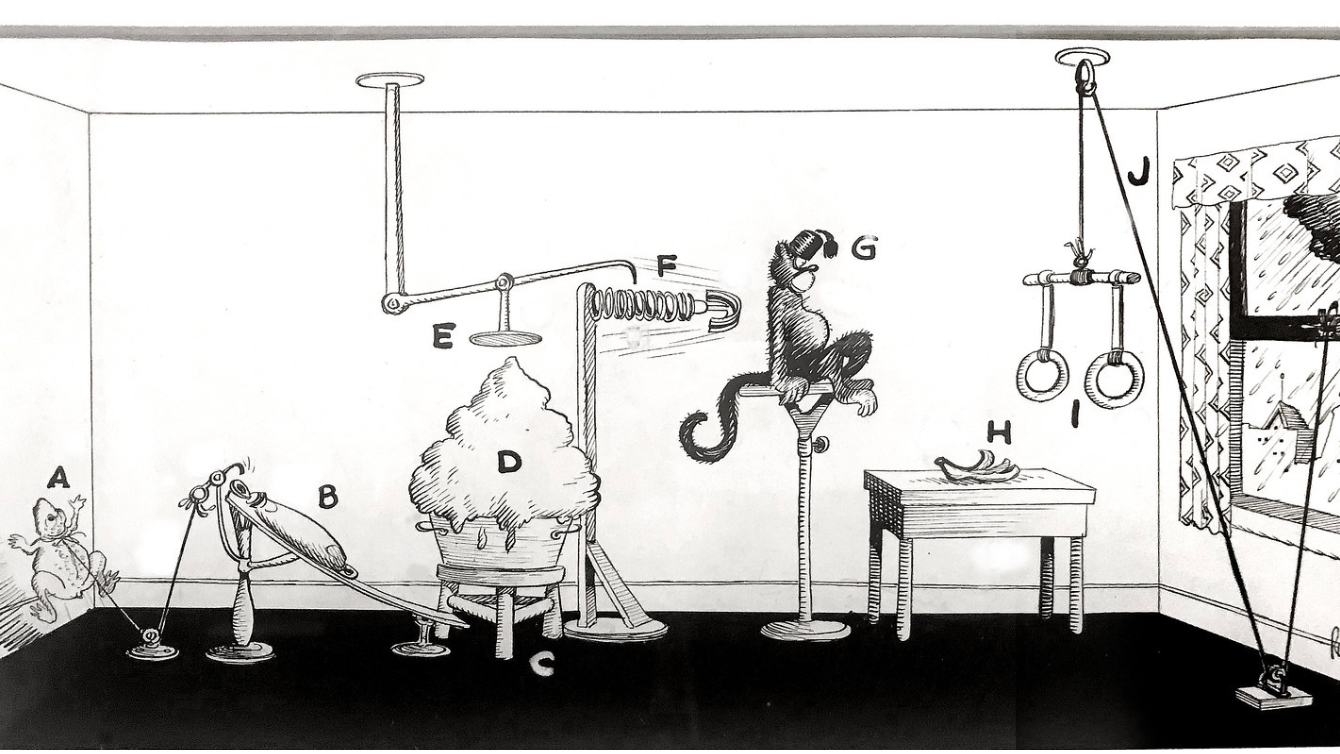
The principle of causality is that each scene in a story for entertainment should be the result of a scene before it – ideally right before it.
The absolute best explanation for this comes from Matt Stone and Trey Parker, the creators of South Park. Their technique is simply to look at each scene and see if, when there’s an edit, a CUT TO the next scene, it relates to the previous scene by Therefore, But, or Because. Not And.
So, it’s not “this scene happens AND then this scene happens AND this scene AND AND AND….” It’s “this scene happens, therefore this scene happens, but this happens in this scene, because of this, therefore this next scene….”
Almost any time you’re bored watching a film or TV show, it’s because you’re getting a lot of And, and not nearly enough Therefore But Because.
Causality is important to storytelling for entertainment because entertainment stories are journeys of transformation. Each scene in an entertainment story is a step along that journey. We can map the hero’s arc of transformation across the project and see how causality drives the action, e.g., this catalyst moment led to this decision, which resulted in this complication, which resulted in this “all is lost” moment, which resulted in another decision.
Stories for entertainment are chains of cause-effect. This means that one of the ways of validating that you have a correct goal/obstacle/hero triad is to look back in time and see how the hero was brought to the current moment.
Causality is less important in business storytelling because we aren’t usually working with a journey of emotional transformation. It’s more of a state of affairs, an understanding of forces held in tension around the decision-maker and how your objective fits within the interplay of those forces. So, in a sales deck, it’s not like every single slide has to be “caused” by the previous slide.
However, causality is great when you can incorporate it. One of the best ways is to think about the story element known as the “catalyst.” In a story for entertainment, this is the moment in Act I also known as the “call of the hero,” where an event happens TO the hero, e.g., the phone rings, the car flips over, the spouse leaves, an email arrives with the subject line, “fork in the road.”
In business, the catalyst question to ask of the decision-maker is, “what is the compelling event that has led to the current situation?” Sometimes, there is an actual event which is driving the action. Sometimes there isn’t an acute, definable event, there’s more of an evolving trend. You may still be able to choose an event that epitomizes the trend and use it in a way that adds causality to your presentation.